Should Lights Flicker When Your Air Conditioner Turns On?

Have you noticed your lights briefly dimming whenever your air conditioner starts? This is a common occurrence for many homeowners. A momentary flicker or slight dimming during AC startup is typically normal. However, frequent, prolonged, or noticeable dimming can indicate an electrical or HVAC issue that should be professionally evaluated.
This article explores the reasons behind lights flickering when AC turns on, explains when this behavior is expected, and outlines the steps that can help maintain safe, reliable system performance.
How Air Conditioner Startup Impacts Your Home’s Electrical System
An air conditioner creates one of the highest electrical loads in a home’s electrical system when it starts. Understanding how this startup process temporarily affects voltage can help homeowners recognize the difference between normal system operation and warning signs of an emerging electrical or HVAC issue.
Should Lights Flicker When the Air Conditioner Starts?
In many households, a slight flicker or brief dimming of the lights as the air conditioner starts is completely normal. When the compressor engages, it requires a large surge of electricity for a short period, creating a temporary voltage drop within the home’s electrical system. Once the compressor reaches normal operating speed, electrical demand levels out, and the lights usually return to their normal brightness within a second.
The level of dimming often depends on the type of cooling system installed. Traditional central air conditioners typically create a higher startup electrical load than geothermal systems. Even so, frequent, severe, or extended light dimming should be inspected by a qualified HVAC or electrical professional.
Common Reasons for Excessive Light Flickering

Although a brief light dimming is usually expected, frequent or excessive flickering may point to a problem that requires professional evaluation. Various electrical and HVAC issues can contribute to larger or more noticeable voltage fluctuations.
- Overloaded Electrical Circuits: When the air conditioner shares a circuit with other high-powered appliances, the circuit may have difficulty supplying sufficient electricity during startup. This can lead to noticeable light flickering and increased electrical stress.
- Aging or Faulty Wiring: Loose electrical connections, deteriorating wiring, or damaged electrical components can cause voltage fluctuations throughout the home. Flickering lights are often one of the first signs of these issues.
- Low Incoming Voltage: Problems with the utility supply, electrical transformer, or the home’s incoming power can reduce available voltage, causing lights to dim when the air conditioner starts.
- Weak or Failing AC Capacitor: The capacitor provides the power needed to start the compressor. As it weakens or fails, the compressor requires more effort to start, often resulting in more noticeable light dimming.
Warning Signs of a More Serious Problem
A slight light flicker during AC startup is generally normal, but excessive dimming should not be overlooked. If the lights dim significantly whenever the air conditioner starts or continues flickering while it runs, an underlying electrical issue may be present. Under normal conditions, the lights should return to normal brightness once the compressor reaches operating speed.
Other warning signs include repeatedly tripped breakers, which may indicate overloaded circuits, electrical faults, or failing equipment. Reduced cooling performance, difficulty starting, unusual noises, or longer cooling cycles can also point to HVAC problems that increase electrical strain and require prompt professional inspection.
How NY Professionals Address Excessive Light Flickering
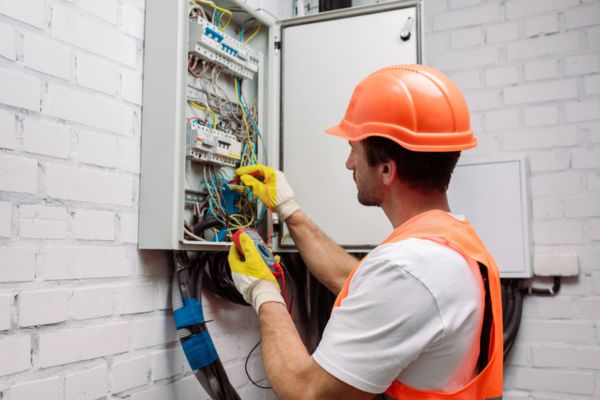
Correcting excessive light flickering starts with a comprehensive inspection of the home’s electrical system. A licensed electrician can evaluate the wiring, circuits, breakers, and electrical panel to identify voltage drops, overloaded circuits, or other electrical concerns. In older homes, upgrades such as a new electrical panel, updated wiring, or dedicated circuits may be needed to support today’s air conditioning systems safely.
HVAC improvements can also help reduce startup electrical demand. Installing a hard start kit can decrease the power needed to start the compressor, helping reduce voltage fluctuations.
In some situations, placing the air conditioner on a dedicated circuit ensures it receives sufficient power without affecting lights or other household appliances. If voltage fluctuations continue, professionals may also recommend voltage stabilization equipment to improve overall electrical system performance.
Why Electrical and HVAC Repairs Are Best Left to Professionals
Electrical and HVAC repairs involve serious hazards that should never be underestimated. High-voltage components can cause severe injury, electrocution, or fire if handled improperly. Many issues that cause flickering lights appear similar but may result from entirely different electrical or mechanical faults.
Licensed professionals use specialized testing equipment and proven diagnostic procedures to accurately identify the underlying cause. This helps prevent unnecessary repairs, protects valuable equipment, and ensures all work meets current safety standards. Addressing the problem correctly also helps reduce the risk of more costly repairs in the future.
Ways Homeowners in New York Can Help Reduce AC-Related Electrical Issues
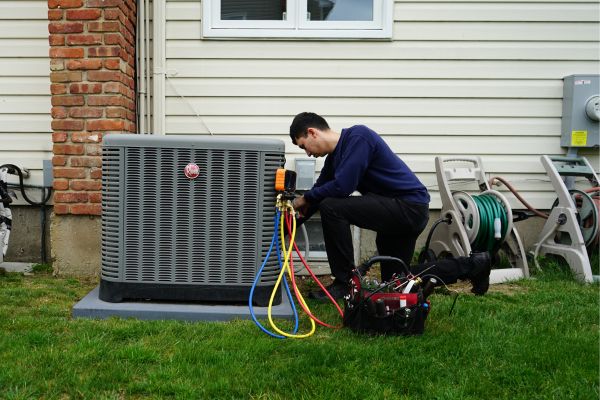
Although some problems require professional repair, homeowners can take several steps to reduce electrical strain and help minimize flickering lights and other air conditioning-related issues:
- Schedule Routine HVAC Maintenance: Regular inspections can identify worn capacitors, failing electrical components, and compressor problems before they affect system performance or reliability.
- Upgrade Aging Electrical Components: Older electrical panels, breakers, and wiring may no longer support modern cooling demands and should be professionally evaluated over time.
- Prevent Circuit Overloads: Reducing the simultaneous use of multiple high-demand appliances can lessen stress on the home’s electrical system.
- Respond to Warning Signs Early: Flickering lights, tripped breakers, unusual AC noises, and uneven cooling should be professionally inspected before they develop into larger, more expensive problems.
Frequently Asked Questions About Lights Flickering When AC Turns On

Can a Smart Thermostat Minimize Light Flickering?
In certain situations, yes. Smart thermostats can reduce unnecessary system cycling by optimizing when the air conditioner starts and stops. With fewer startup cycles, the electrical system experiences fewer sudden power demands. However, a smart thermostat will not resolve underlying electrical faults or failing HVAC components.
Can Hot Weather Make Lights Flicker More?
Yes. During periods of extreme heat, an air conditioner works harder and may require a higher startup power demand, especially if the system is older or struggling to maintain the thermostat setting. As a result, temporary voltage drops and light flickering may become more noticeable than they are during milder weather.
Can Utility Power Problems Cause Lights to Flicker During Air Conditioning Startup?
Yes. Utility-related issues can contribute to light flickering. Aging transformers, increased neighborhood electrical demand, damaged power lines, or fluctuations in the power grid can reduce available voltage. When the air conditioner starts, these supply limitations may become more noticeable, causing visible light dimming.
Are Some Homes More Prone to Have this Issue?
Yes. Older homes are generally more likely to experience this issue because of aging electrical panels, outdated wiring, or electrical systems that were not designed for today’s cooling equipment. Homes that have undergone multiple electrical additions or renovations may also be more susceptible to noticeable voltage drops during air conditioner startup.
Can Frequent Voltage Fluctuations Damage Household Appliances?
Yes. Ongoing voltage drops and electrical fluctuations can place added stress on motors, compressors, electronic control boards, and other sensitive components. Over time, this increased strain may reduce efficiency, accelerate wear, and shorten the lifespan of many household appliances.
Conclusion
A brief light flicker when your air conditioner starts is typically caused by the temporary power surge needed to start the compressor and is generally considered normal. However, frequent or excessive flickering may indicate overloaded circuits, wiring problems, low voltage, or failing HVAC components. Identifying and resolving these issues early can help protect your air conditioning system and your home’s electrical infrastructure.
If your lights noticeably dim whenever the air conditioner starts, contact Hart Home Comfort today. Our experienced technicians can accurately diagnose the problem and provide dependable solutions that enhance safety, improve comfort, and restore reliable system performance.
Contact Hart Home Comfort for Reliable Heating and Cooling Services
Homeowners throughout Nassau County, Suffolk County, and Queens, New York rely on Hart Home Comfort for dependable HVAC services that keep their homes comfortable year-round. Our experienced technicians provide maintenance, repairs, installations, replacements, and system evaluations, delivering quality workmanship and lasting reliability on every job.
We help improve comfort while maximizing energy efficiency through professional maintenance and practical repair or replacement recommendations tailored to your home’s needs and budget. Whether you need emergency service or are planning a system upgrade, our team is ready to help.
Contact Hart Home Comfort today to schedule a service appointment or request an in-home estimate. Count on us for professional heating and cooling solutions throughout every season.
For any questions about what Hart Home Comfort can do for you, give us a call today. Click here to contact us now or call us at (631) 667-3200 to find out more! Click the link to view our service area.

Related Articles:
- 7 Air Conditioning Scams That Could Cost You More Than You Think
- The Truth About Air Conditioning Health Effects And Indoor Comfort
- The History of the Comfort Air Conditioner and Its Impact on Modern Living
- Protect Your System: Air Conditioner Mistakes To Watch For
- HVAC Service Myths That May Hurt Efficiency