Simple Tips For Pet Owners To Improve Their Indoor Air Quality
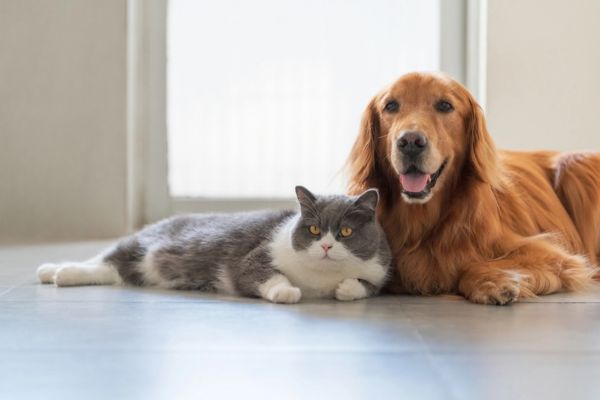
Pet owners can boost indoor air quality by controlling pet dander and fur, maintaining effective HVAC filtration, cleaning regularly, managing humidity, and keeping their HVAC systems in good condition. Pets introduce allergens and airborne particles that can affect comfort and increase the burden on your filtration system. Consistent cleaning and HVAC care can reduce these contaminants, helping you maintain cleaner, healthier indoor air while enjoying life with your pets.
This article covers practical ways pet owners can improve indoor air quality, reduce pet-related allergens and airborne contaminants, support efficient HVAC operation, and create a cleaner, more comfortable home environment.
Why Indoor Air Quality Is a Concern When You Own a Pet
Pets can affect indoor air quality by introducing dander, fur, allergens, and other contaminants into the home. These particles can remain airborne or settle on furniture, flooring, bedding, and other surfaces.
Common sources of pet-related indoor air pollutants include:
- Pet dander: Tiny flakes of skin can remain suspended in the air and circulate throughout the home.
- Fur and hair: Shedding can spread through living spaces while carrying dust, pollen, and other particles.
- Outdoor contaminants: Pets can track pollen, dirt, and debris indoors on their coats and paws.
- Pet areas: Litter boxes, bedding, accidents, kennels, and frequently used spaces can contribute odors and additional contaminants when not cleaned regularly.
Pet-related pollutants can be particularly troublesome for people with allergies, asthma, or other respiratory sensitivities. Higher particle levels can also increase the amount of debris your HVAC filter must capture, making effective filtration and regular maintenance especially important.
Simple Ways Pet Owners Can Improve Indoor Air Quality in your Home in New York
Pet owners can take a few practical steps to reduce airborne contaminants, support HVAC performance, and maintain cleaner indoor air.
1. Check and Replace Your HVAC Filter Regularly
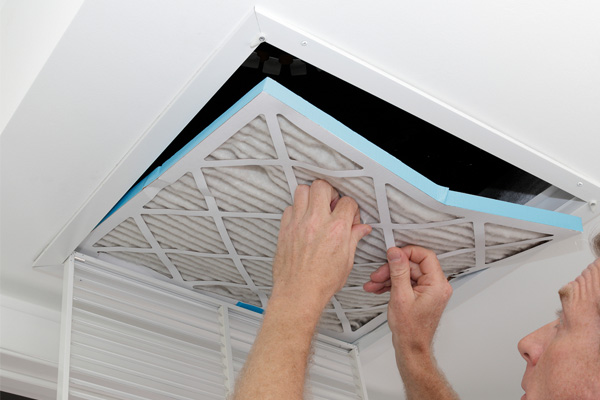
Effective HVAC filtration is essential in homes with pets. Air filters capture dander, dust, pollen, and other particles as air circulates through the HVAC system.
Pet owners should check filters frequently since fur and dander can cause faster buildup. A dirty filter can restrict airflow, reduce filtration effectiveness, and make HVAC equipment work harder. Replacement frequency depends on the filter type, number of pets, shedding, and household conditions, so follow manufacturer recommendations and replace filters when needed.
Higher-efficiency filters can capture smaller particles, but they must be compatible with the HVAC system. An HVAC professional can recommend an appropriate filter or MERV rating without creating excessive airflow resistance.
2. Groom Your Pets and Keep Their Areas Clean
Regular grooming helps control fur and dander before they spread throughout the home. Brush pets routinely and keep their most-used areas clean.
Wash pet bedding and clean crates, kennels, litter boxes, and feeding areas regularly. Wiping your pet’s paws and coat after outdoor activity can also reduce the amount of pollen, dirt, and debris brought indoors.
Bathing may help control allergens for some pets, but frequency should depend on the animal’s breed, coat, and skin condition. Follow veterinarian or professional grooming recommendations.
3. Vacuum and Clean Your Home Frequently
Regular cleaning removes pet-related contaminants before they accumulate or become airborne again. Focus on floors, couches, upholstered furniture, rugs, curtains, bedding, and other surfaces where fur and dander collect.
A vacuum with HEPA filtration can help capture fine particles. Clean hard floors, baseboards, and areas underneath furniture regularly as well. Dusting with methods that capture particles rather than dispersing them can further reduce airborne contaminants.
4. Consider Additional Indoor Air Quality Equipment
Some homes may benefit from additional indoor air quality equipment alongside standard HVAC filtration. The right solution depends on the contaminants present, household needs, and existing HVAC system.
A whole-house air purifier can help capture smaller airborne particles, including dander, pollen, and dust. HVAC UV lights serve a different purpose by helping control certain microorganisms in treated areas, particularly around components such as the evaporator coil. They do not remove pet hair or dander and should complement proper filtration.
An HVAC professional can determine whether supplemental filtration, air purification, or UV equipment is appropriate for your home.
5. Keep Indoor Humidity Under Control
Excess humidity can encourage mold and other biological growth, adding to existing pet-related indoor air quality concerns. Window condensation, musty odors, and visible mold may indicate excessive indoor moisture.
Your HVAC system should help manage temperature and humidity, but some homes require additional moisture control. A whole-house dehumidifier may help when high humidity remains a recurring problem.
Leaks, inadequate ventilation, and HVAC performance issues can also contribute to excess moisture. Identifying the source is important before choosing a solution.
6. Have Your Ductwork Inspected When Necessary
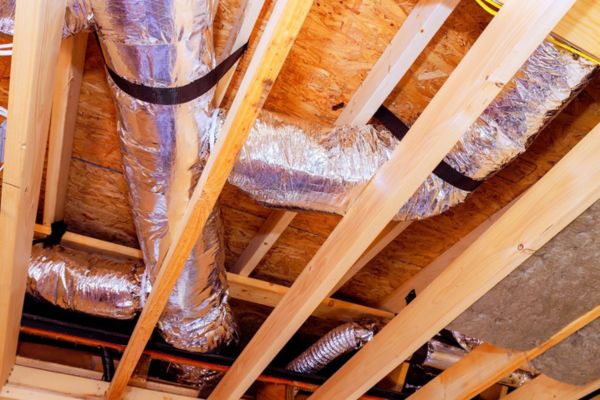
Damaged, disconnected, or poorly sealed ducts can draw contaminants from attics, crawl spaces, basements, and other unconditioned areas into the air distribution system. Moisture around or inside ductwork can also contribute to microbial growth.
Pet ownership alone does not mean duct cleaning is necessary. A professional inspection can identify excessive contamination, moisture, leaks, or damage that requires attention. Proper duct sealing can also reduce air loss and limit unwanted contaminants entering the system.
7. Schedule Regular HVAC Maintenance in NY
Homes with pets can place additional demands on HVAC filtration and system cleanliness. Regular maintenance helps preserve airflow, efficiency, humidity control, and overall indoor comfort.
During maintenance, an HVAC technician can inspect components, evaluate airflow, check filtration, identify excessive debris, and look for moisture or drainage issues that could affect indoor air quality. Routine service also helps catch minor problems before they interfere with HVAC performance.
FAQs: Improve Indoor Air Quality

Can Pet Dander Stay in a Home After a Pet Is Gone?
Yes. Pet dander is extremely small and can remain on carpets, furniture, curtains, bedding, and other surfaces long after a pet is no longer in the home. These particles can become airborne again when surfaces are disturbed. Thorough cleaning and effective air filtration can gradually reduce lingering dander.
Do Certain Pets Affect Indoor Air Quality More Than Others?
Yes. The amount of dander, fur, saliva proteins, and other allergens introduced into a home varies by animal, breed, size, grooming habits, and shedding patterns. Even pets that shed very little can still produce dander and other allergens, so regular cleaning and filtration remain important.
Does Keeping Pets Out of Bedrooms Improve Indoor Air Quality?
Keeping pets out of bedrooms can reduce the amount of dander, fur, and other pet-related particles that accumulate where household members spend several hours each night. Washing bedding regularly and maintaining good filtration can further reduce allergen exposure in sleeping areas.
Can Opening Windows Help Remove Pet Odors and Allergens?
Opening windows can temporarily increase ventilation and help remove certain indoor odors and pollutants. However, outdoor pollen, humidity, smoke, and other contaminants may enter the home at the same time. Whether natural ventilation helps depends on outdoor air quality and weather conditions.
Can an HVAC System Completely Remove Pet Allergens From the Air?
No. HVAC filtration can reduce airborne pet dander and other particles, but it cannot eliminate every allergen in the home. Dander can settle on furniture, flooring, fabrics, and other surfaces where the HVAC filter cannot capture it. Effective allergen control typically combines appropriate filtration with regular grooming, vacuuming, surface cleaning, and HVAC maintenance.
Conclusion
Pet owners can maintain better indoor air quality by reducing dander and fur at the source, cleaning frequently, checking HVAC filters, controlling humidity, and keeping heating and cooling equipment properly maintained. Supplemental air quality products may provide additional benefits when selected according to the home’s specific needs. Consistent preventive care can reduce airborne contaminants while helping your HVAC system operate efficiently.
If pet dander, excessive dust, humidity, or other indoor air quality concerns are affecting your home, contact Hart Home Comfort for professional HVAC and indoor air quality services in Nassau County, Suffolk County, and Queens, New York. Our experienced technicians can evaluate your HVAC system and recommend practical solutions to help you maintain cleaner air and dependable indoor comfort.
Contact Hart Home Comfort for Indoor Air Quality Solutions in Nassau County, Suffolk County, and Queens, New York
Hart Home Comfort provides professional HVAC and indoor air quality services throughout Nassau County, Suffolk County, and Queens, New York. Our certified technicians handle maintenance, repairs, installations, and replacements to support efficient, reliable home comfort.
For homes with pets, our team can recommend solutions to help control dander, dust, allergens, humidity, and other airborne contaminants. From improved HVAC filtration and air purification to humidity control, we can identify options suited to your home and HVAC system.
Contact Hart Home Comfort today to schedule service or request an in-home estimate for dependable indoor air quality solutions in Nassau County, Suffolk County, and Queens, New York.
For any questions about what Hart Home Comfort can do for you, give us a call today. Click here to contact us now or call us at (631) 667-3200 to find out more! Click the link to view our service area.

Related Articles: