Reducing Carbon Emissions With Modern Heating Technology

During the colder months, heating your home brings comfort, yet it also increases greenhouse gas emissions. Selecting an energy efficient heating system offers a practical strategy to reduce your carbon footprint while still ensuring steady warmth throughout the season.
At Hart Home Comfort, we guide homeowners across Nassau County, Suffolk County, and Queens in choosing and installing heating systems built to cut energy waste, decrease emissions, and enhance comfort. Our mission is to provide reliable options that meet household requirements while encouraging environmental responsibility.
This article explains how high-efficiency heating systems function, the advantages they deliver, and practical measures you can use to reduce carbon emissions through informed, energy-conscious heating choices.
Choose a Smarter Heating Solution: Hart Home Comfort can install a high-efficiency system that delivers steady warmth and supports a more sustainable home. Contact us today to book your appointment!
How Home Heating Influences Carbon Output

Home heating equipment accounts for a major share of residential energy use and has a direct effect on overall carbon emissions. When system efficiency improves, homeowners can greatly cut their environmental impact while lowering ongoing energy expenses.
Stay Warm with Cleaner Heat: Trust Hart Home Comfort for heating solutions that enhance comfort while helping reduce emissions. Call today!
Why Heating-Related Carbon Output Deserves Attention
Heating accounts for a significant portion of a home’s total energy use, so even minor inefficiencies can generate considerable carbon emissions as the years pass.
Aging equipment that falls short of today’s efficiency standards often consumes more fuel than necessary, resulting in increased greenhouse gas emissions and higher monthly utility costs.
Lowering these emissions aligns with net-zero goals, eases pressure on utility resources, and helps communities comply with updated EPA and state energy requirements introduced in recent years. It also cuts overall energy consumption, which supports long-term energy security and promotes stability in household utility expenses.
How Advanced High-Efficiency Heating Systems Operate

Modern high-efficiency heating equipment is designed to convert as much fuel as possible into usable heat while minimizing wasted energy. Older units allow substantial heat loss through exhaust and inconsistent operation, but updated technology delivers stronger performance and greater reliability.
These systems utilize sealed combustion chambers that draw air from outdoors, enhancing safety and minimizing heat loss. Variable-speed motors regulate airflow based on real-time demand, and modulating burners paired with smart controls reduce short cycling, lower fuel consumption, and maintain consistent indoor temperatures.
Today’s leading systems incorporate IoT-based sensors and adaptive thermostats that monitor operation continuously, fine-tuning efficiency automatically and notifying homeowners when service or adjustments are required.
These technologies help modern heating units reach superior AFUE (Annual Fuel Utilization Efficiency) ratings compared to standard equipment. A higher AFUE indicates that more heat is delivered to the home from the same volume of fuel, which reduces emissions, trims energy expenses, and supports longer equipment lifespan.
Enjoy Sustainable, Comfortable Living: Rely on Hart Home Comfort to provide efficient heating solutions that keep your home cozy year-round. Call now!
Environmental Advantages of High-Efficiency Heating Systems

Switching to a high-efficiency home heating system offers clear environmental improvements:
- Lower Fuel Use Due to Greater Efficiency: Updated systems extract more heat from every gallon, reducing fuel needs while keeping indoor temperatures stable.
- Decreased Greenhouse Gas Output: Because these units use less fuel, they inherently produce fewer carbon emissions from each home.
- Cleaner Air Quality: Reduced emissions contribute to healthier air, supporting better public health and creating cleaner communities.
Lower Costs and Carbon Emissions at Once: Discover the benefits of high-efficiency heating with Hart Home Comfort. Call today to get more information!
Heating Installation: Financial Benefits for Homeowners

High-efficiency heating systems offer substantial financial advantages by decreasing monthly energy expenses through reduced fuel usage. Many units are eligible for tax credits, rebates, or other efficiency incentives, helping to balance the upfront installation cost.
Their advanced engineering and long-lasting components also contribute to a longer equipment lifespan, minimizing the need for frequent replacements and lowering long-term repair expenses. When combined, these benefits make high-efficiency systems a smart, cost-effective investment in lasting home comfort.
Innovative Heating for Lasting Value: Upgrade with Hart Home Comfort and experience steady savings year after year. Call now!
Additional Ways to Lower Carbon Emissions at Home
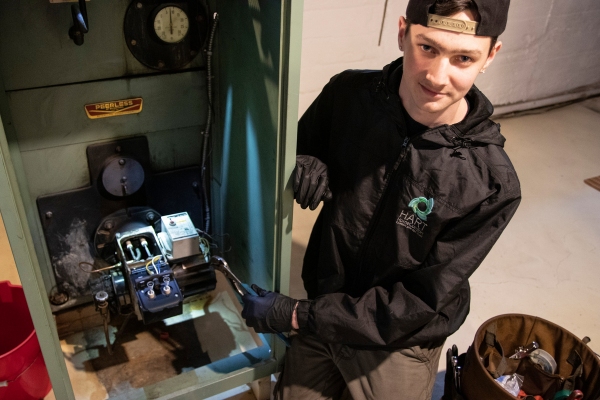
Homeowners can further improve efficiency and reduce carbon output by taking the following measures:
- Keep Up with Routine Heating Maintenance: Seasonal tune-ups help your system operate at peak performance. Cleaning internal components, checking fuel lines, and adjusting controls minimizes fuel waste and reduces the chance of mid-season repairs. A properly maintained unit runs more efficiently and lasts longer.
- Incorporate Smart Thermostats and Zoning: Programmable and smart thermostats allow temperature adjustments based on schedules or occupancy patterns. Zoning separates your home into individual areas with their own controls, limiting heating in rarely used rooms. This combination reduces energy consumption and promotes balanced indoor comfort.
- Enhance Insulation and Seal Drafts: Adding insulation to attics, walls, and crawl spaces reduces heat loss, while sealing openings around windows, doors, and ductwork eliminates cold drafts. These improvements lighten your system’s workload, increase efficiency, and lower emissions, along with energy bills.
Invest in Efficiency That Delivers Results: Cut fuel waste and safeguard your budget with Hart Home Comfort. Call today to get started!
How Hart Home Comfort Supports Your Home

Hart Home Comfort delivers professional evaluations to determine whether your current heating system is operating efficiently or would benefit from an upgrade to a modern, high-performance model. Our specialists install and service advanced high-efficiency systems designed to cut emissions and reduce household energy expenses.
We also provide ongoing maintenance and customized guidance to help your home stay environmentally responsible, energy efficient, and consistently comfortable in every season.
Trusted Heating Professionals in Nassau County, Suffolk County, and Queens: Hart Home Comfort keeps your system operating efficiently and safely. Call now to schedule service!
Energy Efficient Heating System FAQs

What Defines a “High-Efficiency” Heating System?
High-efficiency heating equipment is engineered to convert the majority of its fuel into usable heat with minimal loss. Older furnaces often operate around 60 to 75 percent efficiency, allowing a substantial portion of fuel to escape through the exhaust. Today’s high-efficiency systems achieve AFUE ratings between 90% and 98% by utilizing sealed combustion, secondary heat exchangers, and advanced electronic ignition.
Do High-Efficiency Heating Systems Help Improve Indoor Air Quality?
Yes. Many high-efficiency units use sealed combustion that pulls air from outdoors instead of relying on indoor air. This design reduces the risk of back-drafting, which can allow combustion gases such as carbon monoxide to enter living areas. Additionally, numerous modern systems can integrate with whole-home air purification and humidity management, contributing to a cleaner and healthier indoor environment.
Are High-Efficiency Heating Systems Costlier to Maintain?
They rely on components such as sensors and condensate drainage systems, yet their maintenance needs are generally comparable to traditional units. The primary added expense is the upfront purchase. With regular care, high-efficiency systems operate smoothly, experience fewer issues, and typically deliver lower overall lifetime costs.
Dependable Comfort with Cleaner Energy: Partner with Hart Home Comfort for expert high-efficiency system installations. Call today!
Can High-Efficiency Heating Systems Be Used in Older Homes?
Yes. Many high-efficiency furnaces and boilers are designed to integrate with existing systems, making them ideal for older homes. Proper installation is essential, along with verifying that the ductwork or piping is compatible and the house has sufficient insulation to support peak efficiency. A professional evaluation from Hart Home Comfort will identify the correct system size and configuration so you can enjoy steady comfort and lower emissions, even in an older home.
How Can I Tell If My Heating System Should Be Replaced?
Higher energy bills, repeated repair calls, inconsistent temperatures, and unusual noise often signal declining performance. Systems older than 15 to 20 years, or those with AFUE ratings under 80 percent, are typically ready for replacement. A professional evaluation from Hart Home Comfort can determine whether a repair or a full upgrade is the most practical choice.
Conclusion
High-efficiency heating systems provide a practical approach to reducing carbon emissions while maintaining a consistently warm and comfortable home. They reduce energy waste, decrease monthly utility costs, and support longer system lifespan, making them an environmentally conscious and cost-effective choice. When combined with routine maintenance, smart controls, and improved insulation, these systems help households meet the clean-energy expectations shaping the years ahead.
Ready to shrink your carbon footprint and enhance your home’s comfort? Contact Hart Home Comfort today for expert recommendations, professional installation, and dependable support for your high-efficiency heating needs.
Create a More Sustainable Home: Turn to Hart Home Comfort for dependable heating solutions that help reduce your carbon footprint. Call now!
Call Hart Home Comfort for Comprehensive HVAC Services
Hart Home Comfort provides reliable heating and cooling solutions to homeowners throughout Nassau County, Suffolk County, and Queens. Our certified technicians handle everything from routine tune-ups and system repairs to complete installations and replacements. With extensive training and hands-on expertise, we service every HVAC system with accuracy and care.
We are committed to offering affordable services that improve comfort, increase energy efficiency, and help lower monthly utility costs. Whether you need a fast repair or a complete system upgrade, our specialists will recommend the ideal option for your home and budget. Our satisfaction guarantee supports every project.
Contact Hart Home Comfort today to schedule your appointment and request a professional in-home estimate. Call now!
For any questions about what Hart Home Comfort can do for you, give us a call today. Click here to contact us now or call us at (631) 667-3200 to find out more! Click the link to view our service area.

Related Articles: