What Is Air Conditioning Sickness? Causes, Symptoms, and Prevention
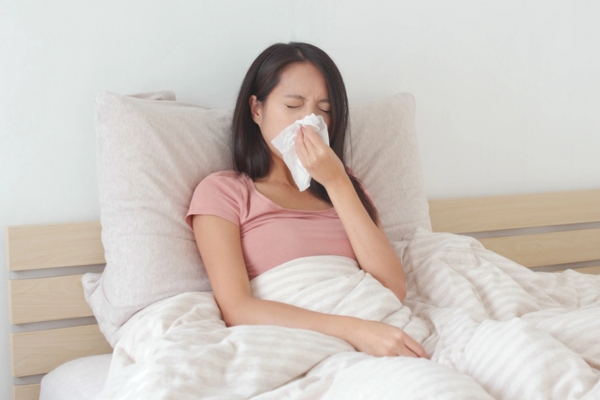
Escaping the summer heat with a cool, air-conditioned home or workplace brings welcome comfort. Yet prolonged time in indoor spaces with poorly maintained or improperly operated HVAC systems can contribute to headaches, dry eyes, fatigue, or respiratory irritation, symptoms commonly linked to air conditioning sickness.
This article explores what air conditioning sickness is, outlines its common causes and symptoms, and explains practical ways to improve indoor air quality while reducing the likelihood of discomfort.
What Is AC Sickness?
Extended time in air-conditioned spaces can influence indoor air quality and overall comfort in ways that often go unnoticed. Understanding the factors that contribute to air conditioning sickness can help you make informed decisions to create a healthier, more comfortable indoor environment.
Definition and Common Symptoms of Air Conditioning Sickness
Air conditioning sickness describes a collection of symptoms that some people experience after spending long periods in air-conditioned spaces. Typical signs include headaches, dizziness, dry throat, itchy eyes, and breathing discomfort. These symptoms can reduce comfort, affect daily performance, and point to underlying indoor air quality concerns.
Common Causes of Air Conditioning Sickness
Several conditions can contribute to air conditioning sickness, with indoor air quality, HVAC maintenance, and environmental factors playing a significant role. Common reasons behind it are:
- Poor Ventilation: Inadequate fresh air circulation allows stale indoor air to build up, reducing air quality and increasing discomfort.
- Airborne Contaminants: Dust, mold, pollen, bacteria, and other allergens can accumulate inside neglected HVAC systems and spread throughout the building.
- Indoor Chemical Pollutants: VOCs released by paint, furniture, cleaning products, and similar materials can collect indoors when ventilation is limited.
- Low Humidity Levels: Air conditioning can remove excess moisture, causing dry eyes, irritated skin, dry nasal passages, and throat irritation.
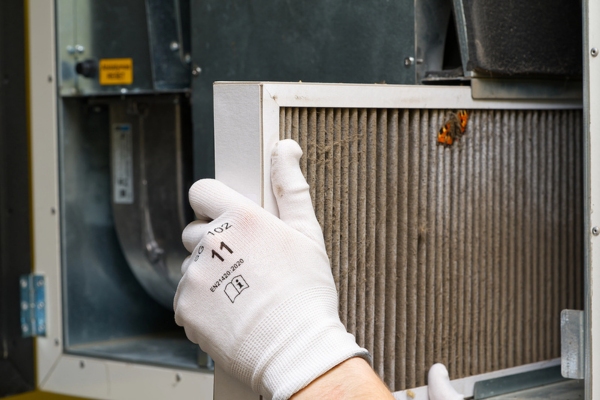
- Lack of HVAC Maintenance: Dirty filters, blocked ductwork, and poorly maintained components can reduce efficiency while circulating more contaminants.
- Personal Sensitivity: Individuals with allergies, asthma, or respiratory conditions may experience stronger symptoms, while personal sensitivity can also influence symptom severity.
How An Air Conditioner May Contribute to Illness
Extended exposure to cold, dry air can weaken the body’s natural defenses and cause irritation. Reduced indoor humidity may dry out the eyes, nose, throat, and skin, while people with allergies, asthma, or other respiratory conditions may experience increased breathing discomfort.
Recirculated airborne contaminants can further aggravate symptoms. Repeated exposure to dust, allergens, mold, and other particles may lead to headaches, sneezing, coughing, congestion, watery eyes, or allergy flare-ups. Maintaining clean HVAC equipment and good indoor air quality helps reduce these issues and supports a healthier indoor environment.
Preventing Air Conditioning Sickness
These steps can help minimize the risk of air conditioning sickness and improve indoor comfort.
Keep Your HVAC System Well Maintained
Routine HVAC maintenance is one of the best practices to support healthy indoor air quality. Replace or clean air filters as recommended, keep supply and return vents unobstructed, and clear debris from around the outdoor unit to promote proper airflow and efficient operation.
For more thorough care, schedule professional HVAC maintenance annually. A qualified technician can inspect the system, clean essential components, and correct developing problems before they affect indoor air quality or system performance.
Improve Indoor Air Quality
Better indoor air quality can help minimize the risk of air conditioning sickness. Open windows and doors when conditions allow to increase ventilation. You can also try using mechanical ventilation systems that bring fresh outdoor air inside.
Air purifiers can help reduce airborne pollutants such as dust, pollen, and bacteria, while dehumidifiers help maintain healthy humidity levels and limit mold and mildew growth in damp environments. Together, these measures create a cleaner, healthier, and more comfortable indoor space.
Optimize HVAC Temperature and Humidity Settings
Maintaining proper HVAC settings can help reduce the risk of air conditioning sickness. In most homes, keeping indoor temperatures between 72°F and 78°F and humidity levels between 40% and 60% supports a healthier, more comfortable environment.
In shared spaces, adjusting thermostat settings or using personal fans and heaters can better accommodate individual comfort and health needs. Maintaining balanced temperature and humidity levels promotes improved indoor comfort and overall well-being.
When to Call a NY HVAC Professional
If symptoms continue despite routine maintenance or seem linked to your indoor environment, a professional HVAC inspection may be necessary. Common warning signs include:
- Recurring Indoor Symptoms: Headaches, dry eyes, respiratory irritation, or allergy symptoms that mainly occur in air-conditioned spaces.
- Symptoms Ease Outside: Feeling better after leaving the building may point to an indoor air quality or HVAC problem.
- Ongoing Air Quality Issues: Persistent odors, excess dust, uneven humidity, or poor ventilation even after changing air filters.
- Overdue HVAC Service: Systems that have not been professionally maintained may circulate contaminants and operate less efficiently.
- Persistent Comfort Concerns: Uneven temperatures, weak airflow, or high indoor humidity that simple maintenance does not correct.
How A Professional Can Improve Your Indoor Air Quality in Nassau County, Suffolk County, and Queens, New York
Persistent indoor air quality problems often require a professional assessment to uncover the root cause. An experienced HVAC technician can evaluate your system’s ventilation, filtration, airflow, humidity control, and overall operation to identify issues affecting indoor comfort.
Using advanced diagnostic equipment, Hart Home Comfort can pinpoint conditions that may contribute to air conditioning sickness and recommend targeted solutions to improve indoor air quality. Routine maintenance and prompt repairs also help maximize system efficiency while creating a healthier, more comfortable indoor environment.
Air Conditioning Sickness: FAQs

Can a Dirty Air Filter Cause Air Conditioning Sickness?
A dirty or clogged air filter can reduce indoor air quality as it enables dust, pollen, pet dander, and other airborne particles to circulate through your home. This may trigger allergy symptoms, irritate the respiratory system, and worsen discomfort, especially for people with asthma, allergies, or other respiratory sensitivities.
How Often Should You Replace an AC Filter?
Most residential HVAC filters should be inspected every month and replaced every 1 to 3 months, depending on the filter type, system usage, indoor air quality, and whether pets or allergy sufferers live in the home. Following the manufacturer’s guidelines and scheduling routine HVAC maintenance helps maintain efficient system performance and cleaner indoor air.
Can Your HVAC System Circulate Germs and Bacteria?
Air conditioning systems do not produce viruses or bacteria. However, if the system is poorly maintained, it can recirculate airborne contaminants already present inside the home. Replacing filters regularly, maintaining proper ventilation, and scheduling routine HVAC cleaning help minimize the spread of indoor pollutants.
Who Is Most Susceptible to Air Conditioning Sickness?
Air conditioning sickness is more likely to affect people with allergies, asthma, chronic respiratory illnesses, weakened immune systems, or sensitivity to dry indoor air. Older adults, young children, and those who spend long hours in air-conditioned environments may also experience symptoms more frequently.
Can Houseplants Improve Indoor Air Quality?
Houseplants can offer limited improvements to indoor air quality while creating a more pleasant living space. However, they are not a substitute for proper HVAC care. Regular system maintenance, effective air filtration, adequate ventilation, and balanced indoor humidity remain the most reliable ways to support clean, healthy indoor air.
Conclusion
Air conditioning sickness is commonly associated with poor indoor air quality, neglected HVAC maintenance, unbalanced humidity, and inadequate ventilation. Identifying the symptoms, correcting underlying issues, and following preventive practices such as routine HVAC service, regular air filter replacement, and proper temperature and humidity management can promote a healthier, more comfortable indoor environment.
If ongoing indoor air quality or HVAC performance problems are affecting your home, contact Hart Home Comfort. Our experienced technicians can evaluate your system, find the source of the issue, and recommend reliable solutions to improve comfort, efficiency, and indoor air quality throughout the year.
Reach Out to Hart Home Comfort for Trusted HVAC Services in Nassau County, Suffolk County, and Queens, NY
For dependable heating and cooling services in Nassau County, Suffolk County, and Queens, NY, homeowners turn to Hart Home Comfort. Our certified HVAC technicians provide expert maintenance, repairs, installations, replacements, and system upgrades, delivering reliable solutions that keep your equipment operating at its best.
Hart Home Comfort is committed to providing quality HVAC services at competitive prices. Our preventive maintenance helps improve comfort, increase energy efficiency, and reduce heating and cooling bills while extending the life of your system.
Whether you need a repair, replacement, or a full system upgrade, our team will recommend the most practical solution for your home and budget. Contact Hart Home Comfort today to schedule service or request an in-home estimate.
For any questions about what Hart Home Comfort can do for you, give us a call today. Click here to contact us now or call us at (631) 667-3200 to find out more! Click the link to view our service area.

Related Articles: