7 Hidden Reasons Your HVAC Filter Falls Short
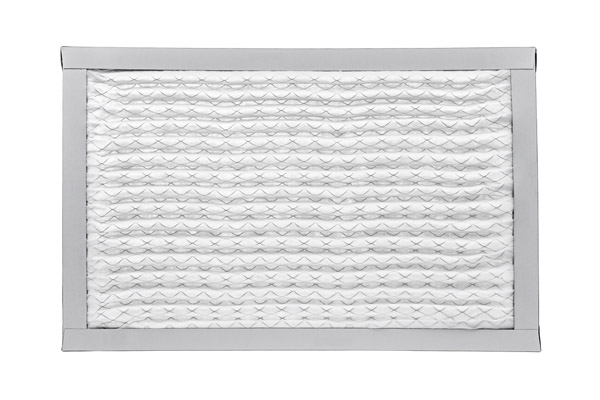
Do you find yourself sneezing or coughing indoors, even after installing a new HVAC air filter system? This situation affects many homeowners, since a filter alone does not ensure clean indoor air quality at home.
At Hart Home Comfort, we prioritize your comfort and health by improving indoor air quality. Specializing in advanced HVAC solutions across Nassau County, Suffolk County, and Queens, New York, we are trusted specialists dedicated to indoor air quality.
In this article, we explore seven common reasons your air filter may fall short in cleaning your home’s air and share practical steps you can take to improve indoor comfort and breathing quality.
Build a Cleaner, More Comfortable Home: Trust the specialists at Hart Home Comfort to enhance your indoor air with solutions tailored to your space. Contact our team today.
Enhancing Indoor Air Quality: Seven Reasons Your HVAC Filter Falls Short

Even with high-quality air filters, homeowners often continue experiencing problems with indoor air quality. Pinpointing the underlying issues remains critical for improvement. This section explains seven common reasons your air filter may fail to perform properly and provides solutions to improve your indoor air quality.
Enjoy Cleaner Air at Home: Upgrade your indoor air quality using solutions designed for your space. Contact Hart Home Comfort
Reason 1: Selecting an Incorrect HVAC Filter Type
How well your HVAC filter performs depends heavily on its MERV (Minimum Efficiency Reporting Value), which indicates how effectively it captures particles ranging from 0.3 to 10 microns. Filters with higher MERV ratings can trap smaller contaminants, improving indoor air quality.
That said, the filter must align with your specific HVAC system’s design. A filter that is too restrictive can limit airflow, reduce efficiency, and potentially strain or damage system components. Selecting the proper filter helps maintain balanced airflow and effective pollutant capture, protecting air quality while preserving system performance.
Dealing With Poor Indoor Air Quality? Let the professionals at Hart Home Comfort identify and correct HVAC-related issues to support a healthier home. Call today.
Reason 2: Improper HVAC Filter Installation
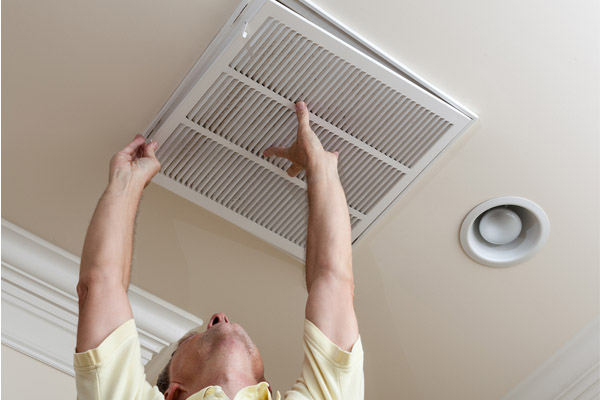
An often-overlooked problem with HVAC systems is incorrect air filter installation. Minor mistakes, like placing the filter in the wrong direction or not seating it firmly in its slot, can lead to serious issues. When a filter is misaligned, gaps may develop that allow untreated air to bypass it, permitting dust, allergens, and other contaminants to circulate throughout your home.
Poor installation undermines the filter’s purpose, lowering overall air quality and potentially worsening health concerns tied to indoor air conditions. Ensuring the filter is correctly positioned and fully secured is essential for it to operate as intended.
Reason 3: A Clogged or Dirty HVAC System Filter
A dirty or clogged filter greatly reduces your HVAC system’s ability to clean the air, since it becomes less effective at capturing dust, allergens, and other airborne contaminants. Replacing air filters regularly is essential for maintaining indoor air quality and system efficiency.
Most filters should be changed every 90 days, though this timeline may vary depending on system use and household conditions. Homes with pets, children, allergy sensitivities, or higher dust levels often require more frequent replacement, typically every 30 to 60 days, to maintain proper air quality and dependable system performance.
Is It Time to Replace Your Air Filter? Help your household breathe cleaner air with professional HVAC and filtration support from Hart Home Comfort. Contact us today.
Reason 4: Your Nassau County, Suffolk County, and Queens, New York HVAC System Requires Maintenance
The condition of your HVAC system plays a major role in supporting indoor air quality. When a system is not properly maintained, it can circulate dust, mold, and other contaminants throughout your home, causing noticeable declines in air quality.
Indicators that your HVAC system may be overdue for service include dirty ductwork, reduced airflow, and inefficient performance, all of which can degrade air quality while increasing energy costs and the risk of system failures.
Routine maintenance, including annual inspections and professional cleaning, is necessary to keep your HVAC system operating efficiently and help improve the quality of the air in your home.
Reason 5: Overlooking Humidity Levels in Nassau County, Suffolk County, and Queens, New York
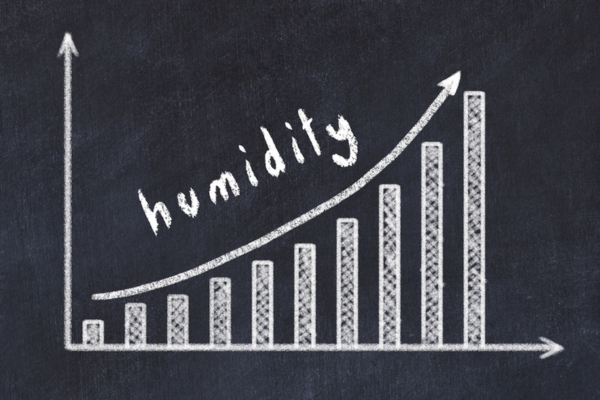
Humidity plays a key role in determining indoor air quality. Excess moisture encourages mold growth, which may trigger various respiratory concerns. On the other hand, overly dry air can intensify allergens such as dust mites and pollen, increasing discomfort for allergy-sensitive individuals.
Addressing these conditions often involves using humidifiers to add moisture during dry periods or dehumidifiers to reduce excess humidity. Keeping your home’s humidity properly balanced can greatly enhance indoor air quality and overall comfort.
Eliminate Dust and Allergens at Home: From advanced air purification options to properly tuned HVAC systems, Hart Home Comfort provides the solutions you need for cleaner indoor air. Contact us today.
Reason 6: Failing to Address Additional Pollution Sources
Many indoor air quality problems stem from frequently overlooked pollution sources. Indoor smoking, cooking odors, pet dander, and volatile organic compounds released by household cleaners can all contribute to unhealthy indoor air.
Pairing your HVAC system with dedicated air purifiers can effectively reduce these contaminants. Improving ventilation also plays an important role. Using exhaust fans and opening windows when outdoor conditions allow helps remove trapped pollutants and bring in fresh air, supporting a healthier indoor environment.
Reason 7: Your Home Requires Improved Ventilation
Effective ventilation is essential for maintaining healthy indoor air quality. Without proper airflow, stale air can increase pollution levels and limit how well your filters perform. When air remains stagnant, contaminants build up, creating a less healthy indoor environment.
Enhancing your home’s ventilation can significantly improve air quality. Solutions such as energy recovery ventilators, or ERVs, help balance incoming and outgoing air while controlling energy costs and refreshing indoor spaces. Improving exhaust systems in moisture and odor-prone areas like kitchens and bathrooms also helps remove pollutants at their source, promoting cleaner, fresher air throughout the home.
Create a Healthier Living Space: Rely on Hart Home Comfort to improve your HVAC system and reduce indoor pollutants. Call today.
How Hart Home Comfort Helps Improve Your Indoor Air Quality
Hart Home Comfort focuses on improving your home’s air quality through detailed evaluations and a wide range of professional services. Our team is experienced in identifying indoor air quality concerns, using advanced equipment and expertise to uncover the underlying causes of poor indoor air. We deliver tailored solutions designed to address your home’s specific air quality needs.
Complete Indoor Air Quality Solutions
- HVAC Maintenance: Routine inspections and tune-ups designed to keep your system operating efficiently and reliably.
- Filter Upgrades: Professional selection and installation of properly rated filters with the correct MERV level for your system.
- Whole-Home Air Purifiers: Installation of advanced purification equipment that removes airborne pollutants throughout every room.
- Whole-Home Humidifiers and Dehumidifiers: Systems that regulate indoor moisture levels, helping limit mold growth and reduce allergens.
- Ventilation Improvements: Enhancements to your ventilation setup that promote fresh air circulation while minimizing stale, contaminated indoor air.
By focusing on these essential areas, Hart Home Comfort helps create an indoor environment that remains comfortable while supporting long-term health and well-being.
Your Indoor Air Quality Specialists Are Ready: From filtration improvements to ventilation upgrades, Hart Home Comfort delivers complete solutions. Call today.
Improving Indoor Air Quality: Frequently Asked Questions

Does Installing More Than One Air Filter Improve Indoor Air Quality?
Installing multiple air filters may improve pollutant capture in select areas, but it is not always the most effective approach. When filters are installed improperly or the HVAC system is not designed to handle increased airflow resistance, system efficiency can decline, and unnecessary strain may occur. A better option is often to upgrade to a higher-efficiency filter or install a whole-home air purification system for consistent results. Consulting an HVAC professional can help determine the most effective indoor air quality solution for your home.
How Can You Tell If Your Air Filter Should Be Upgraded?
Ongoing dust accumulation, increased allergy or asthma symptoms, and poor airflow despite routine filter replacements often indicate that your current air filter may no longer be sufficient. Switching to a higher MERV-rated filter or a model designed to target specific allergens and pollutants can provide noticeable improvements. An HVAC professional can confirm compatibility and help you select an upgraded filter that works effectively with your system.
How Does Your Ductwork Affect Indoor Air Quality?
Ductwork plays an essential role in your HVAC system by moving conditioned air throughout your home. When ducts become dirty, blocked, or develop leaks, they can spread dust, mold spores, and allergens into living spaces. Scheduling routine duct cleaning, sealing gaps, and adding proper insulation can significantly improve indoor air quality while helping your HVAC system operate more efficiently.
Experiencing Allergy Symptoms at Home? Let our team evaluate your indoor air quality and recommend effective solutions for long-term comfort. Contact us today.
Are Washable Air Filters as Effective as Disposable Filters?
Washable air filters can be a cost-conscious, reusable option, but they often have lower MERV ratings. As a result, they are often less effective at capturing smaller particles such as pollen, pet dander, and fine dust. If not cleaned thoroughly and regularly, washable filters may also develop mold or bacteria, which can negatively impact indoor air quality. High-efficiency disposable filters generally deliver stronger filtration performance and require less ongoing maintenance.
Can HVAC Air Filters Eliminate Odors in Your Home?
Most standard air filters are built to capture dust and airborne particles, not remove odors. To address smells from cooking, pets, or smoke, filters with activated carbon layers are more effective, as they are designed to absorb odors. For more complete odor control, combining your HVAC system with an air purifier that targets odors and volatile organic compounds can help improve overall indoor air quality.
Conclusion
Improving indoor air quality requires attention to several important factors, including selecting the right filter, installing it correctly, replacing filters on schedule, maintaining your HVAC system, controlling humidity, reducing pollution from other sources, and upgrading ventilation. Overlooking these areas can result in poor filtration performance and unhealthy indoor conditions.
Do not let indoor air quality issues affect your comfort or well-being. Contact Hart Home Comfort for professional solutions that help improve indoor air quality and make breathing easier at home. Our complete range of services is designed to address these concerns and keep your living space safe and comfortable.
Stop Poor Air From Disrupting Your Comfort: Schedule a professional indoor air quality evaluation and HVAC service today. Contact us now.
Contact Hart Home Comfort for Professional HVAC Services
At Hart Home Comfort, we deliver reliable heating and cooling services throughout Nassau County, Suffolk County, and Queens, New York. Our team includes certified HVAC technicians skilled in tune-ups, repairs, installations, replacements, and related services. Each technician combines advanced training with hands-on experience to service your HVAC system accurately and efficiently.
We are committed to providing competitive pricing for heating and cooling services across Nassau County, Suffolk County, and Queens, New York. Our maintenance services are built to improve comfort and energy efficiency, helping lower heating and cooling costs over time. Whether you need a targeted repair or a full system replacement, Hart Home Comfort will recommend solutions that align with your needs and budget. A strong satisfaction guarantee backs all work.
Call Hart Home Comfort today to schedule your service appointment and arrange an in-home consultation. Call now.
For any questions about what Hart Home Comfort can do for you, give us a call today. Click here to contact us now or call us at (631) 667-3200 to find out more! Click the link to view our service area.

Related Articles: